
Florida Targets Google, Meta and TikTok Over Gambling App Ads as October 23 Deadline Arrives
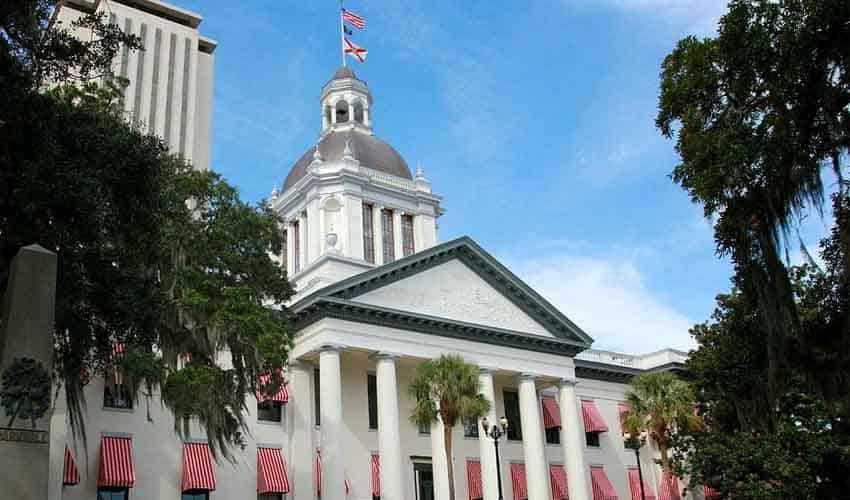
Florida Attorney General James Uthmeier is increasing pressure on major technology companies over advertisements promoting online sweepstakes casinos, with an October 23, 2026, deadline for responses from five prominent platforms. Google, Meta, TikTok, Reddit, and Snap have been asked to explain how they are preventing advertisements for gambling services that Florida authorities consider illegal from reaching state residents. The action represents another significant development in Florida’s ongoing effort to restrict certain online gaming operations.
The advertising dispute follows lawsuits filed earlier this year against sweepstakes operators and payment processors. Florida officials are now examining the digital advertising networks that help these platforms attract mobile customers, potentially affecting how gambling-related promotions appear on smartphones and social media.
Why Is Florida Targeting Major Technology Companies?
In September, Uthmeier sent letters to five technology companies concerning advertisements for online sweepstakes gambling platforms, including Stake, Chumba Casino, LuckyLand Slots, and Global Poker. The attorney general maintains that these businesses offer gambling products prohibited under Florida law, despite operating through promotional sweepstakes systems. His office is requesting written confirmation of the steps each company has taken to prevent further advertising to Florida residents.
The crackdown has also attracted attention from mainstream news organizations, including NBC2’s reporting on Florida’s efforts to stop illegal gambling advertisements. According to the report, Florida officials are particularly concerned about platforms that promote casino-style games while allowing customers to redeem certain virtual currencies for prizes. The October 23 deadline gives the targeted technology companies an opportunity to respond before the attorney general determines whether additional enforcement measures are warranted.
Which Gambling Apps Are at the Center of the Dispute?
The platforms named in Florida’s enforcement efforts generally operate using a dual-currency system that distinguishes recreational gameplay from promotional sweepstakes participation. Customers can purchase Gold Coins for entertainment purposes while receiving opportunities to acquire Sweeps Coins or similar promotional currencies that can potentially be redeemed for cash or prizes. Operators maintain that this structure complies with sweepstakes rules because qualifying promotional entries can be obtained without making a purchase.
Florida authorities dispute that interpretation, arguing that the redeemable currencies effectively facilitate real-money gambling. The controversy highlights an important distinction between sweepstakes services and conventional mobile casino apps offering real-money games, which typically allow customers to deposit funds directly into their accounts. Licensing requirements, payment systems, and promotional rules can vary by operator and jurisdiction.
How Could the Crackdown Affect Mobile Gambling Advertising?
Google and Meta control some of the world’s largest digital advertising networks, including services connected to YouTube, Facebook, and Instagram. TikTok, Reddit, and Snapchat also offer advertising opportunities that let businesses reach potential customers on mobile devices. Restrictions affecting gambling-related promotions could therefore influence how certain operators acquire customers and advertise their products.
For mobile users, the most noticeable change could be fewer sponsored sweepstakes ads in search results, social media feeds, and video content. However, the October 23 deadline requires compliance and written responses, not confirmation that all affected advertisements have already disappeared. The outcome will depend on the companies’ responses and any additional action Florida authorities take.
Are Real-Money Sports Betting Apps Included?
Florida’s latest enforcement initiative focuses specifically on sweepstakes casino advertising rather than the promotion of every real-money gambling product. The state currently permits mobile sports wagering through its authorized Hard Rock Bet platform, while state-regulated real-money online casino gaming remains unavailable. Consequently, a sportsbook operating under Florida’s approved framework occupies a different regulatory position from the sweepstakes platforms identified in the attorney general’s letters.
This distinction matters because many consumers see sports betting ads alongside promotions for casino games and other gambling-related products. Although mobile sports betting apps can offer wagers on professional and college sports, operators must comply with the licensing and advertising rules applicable to their markets. Florida’s current action should not be interpreted as a universal ban on mobile sportsbook advertising.
Could Other States Follow Florida’s Approach?
Florida is not the only state closely examining sweepstakes gambling platforms and their promotional practices. Regulators and lawmakers nationwide have examined dual-currency gaming systems, with several jurisdictions introducing restrictions or pursuing enforcement actions. These developments have prompted operators to reevaluate their availability, promotional practices, and payment arrangements in certain markets.
These differences explain why gambling app availability varies from state to state. A platform permitted to offer real-money games in one state might face restrictions in another, while sportsbooks and online poker rooms often operate under separate regulatory frameworks. Advertising policies introduce another layer of requirements that technology companies and gambling operators must consider.
What Happens After the October 23 Deadline?
As the response deadline approaches, attention turns to whether Google, Meta, Reddit, Snap, and TikTok will provide the assurances Florida’s attorney general requested. The companies could respond with details about existing advertising restrictions, changes to promotional policies, or their interpretation of the state’s demands. Additional enforcement action remains possible, although the deadline’s arrival should not be taken as a sign of new penalties.
For the mobile gambling industry, the dispute extends beyond the platforms named in the original complaints. It raises questions about how technology companies screen advertisements, how gambling operators reach customers, and how state authorities enforce restrictions on internet-based gaming. Responses to Florida’s demands could shape future advertising practices as regulatory scrutiny of sweepstakes casinos continues across the United States.