
US Congress Eyes Crackdown on Online Gambling Surge
 Washington is finally paying attention to something millions of Americans have quietly embraced over the last few years: online gambling. What started as a state-by-state sports betting rollout after the Supreme Court overturned PASPA in 2018 has now evolved into a sprawling digital wagering industry that includes everything from sportsbook apps to prediction markets tied to politics, war, and even economic events.
This week, lawmakers from both parties gathered for hearings focused on whether the online gambling boom has gone too far. The discussion wasn’t limited to traditional sportsbooks like DraftKings or FanDuel. Senators also zeroed in on newer prediction-market sites (Kalshi, Predictit) that allow users to speculate on future events in ways critics say resemble gambling under another name.
The urgency behind the hearing stems from a string of betting scandals that have rattled professional and college sports. Cases involving athletes, referees, and insider information have lawmakers questioning whether existing safeguards are strong enough to protect the integrity of games and financial markets alike.
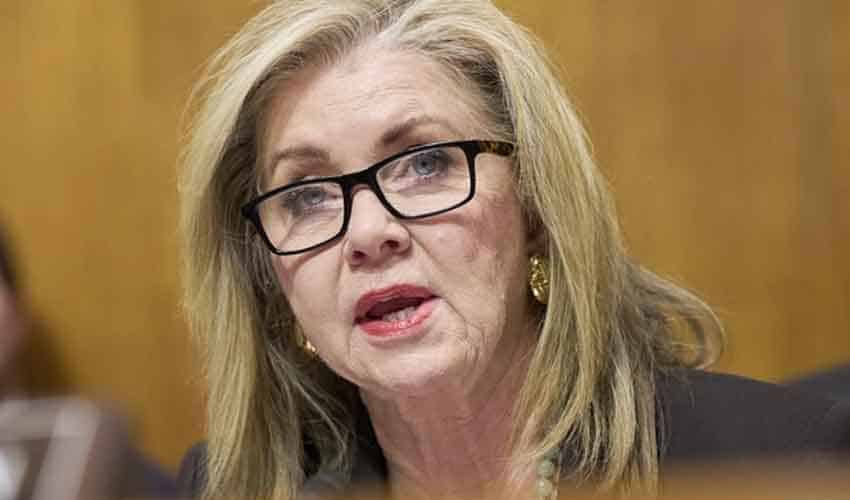
Sen. Marsha Blackburn of Tennessee warned during the hearing that public trust in sports could erode if fans believe games are being manipulated.
Offshore Gambling Apps Continue Filling the Gaps
Even as lawmakers debate tighter rules, gambling apps such as those found at RealMoneyGamblingApps.com remain widely accessible to American players. That’s one of the biggest challenges regulators face.
Unlike state-regulated gambling sites, mobile betting apps operate outside U.S. jurisdiction while still accepting players from states where sports betting or online casinos may be restricted or unavailable. Many USA gamblers continue to use sites like BetOnline, Bovada, and Café Casino because they offer lower wagering limits, wider market options, and access in nearly every state.
Industry analysts say the popularity of offshore wagering sites partly reflects frustration with America’s fragmented betting laws. A bettor in New Jersey has very different legal access than someone living in California or Texas. Offshore operators capitalize on that inconsistency by marketing themselves as universal alternatives.
That distinction also surfaced during congressional discussions this week. Lawmakers repeatedly questioned whether prediction-market companies are effectively acting as sportsbooks while avoiding the same regulations and taxes applied to licensed gambling operators.
Supporters of prediction markets argue that these platforms function more like financial exchanges than casinos. Critics are unconvinced, especially after reports surfaced involving suspicious wagers connected to geopolitical events and alleged insider activity.
A Regulatory Battle That’s Just Beginning
The broader fight unfolding in Congress is really about where the future of online wagering is headed.
Some lawmakers want aggressive federal standards covering sports betting advertisements, data protections, and integrity monitoring. Others fear that overregulation could simply drive more users toward offshore gambling sites that operate outside U.S. enforcement reach.
Prediction markets have become a particularly controversial flashpoint. Sites such as Kalshi and PredictIt insist they are legal exchanges regulated by the Commodity Futures Trading Commission rather than gambling businesses.
Still, bipartisan momentum appears to be building for tougher rules. Several proposed bills would restrict sports-event contracts, limit political betting, and crack down on insider trading concerns tied to event speculation.
For now, the online gambling industry in the US continues expanding faster than regulators can keep up. Whether Americans are using state-approved sportsbooks or offshore betting apps that welcome U.S. players, the appetite for digital wagering shows little sign of slowing down.
Congress may be stepping into the fight, but the outcome remains far from certain.