
Which States Have Domestic Gambling Apps? The 2026 Timeline for Sportsbook, Casino, and Poker
Real-money gambling apps in the United States follow a simple rule: legality is determined state by state, and it depends on the type of app. A regulated online casino app is not the same thing as a regulated sportsbook app, and legal online poker often has its own timeline and launch hurdles.
This page tracks when domestic, state-regulated mobile gambling became available in the US across three categories: online casino apps (iGaming), sportsbook apps, and real money poker apps. Use the timelines below to see who launched first, which states expanded later, and which markets are legalized but still pending a full app rollout.
- Last updated: February 13, 2026
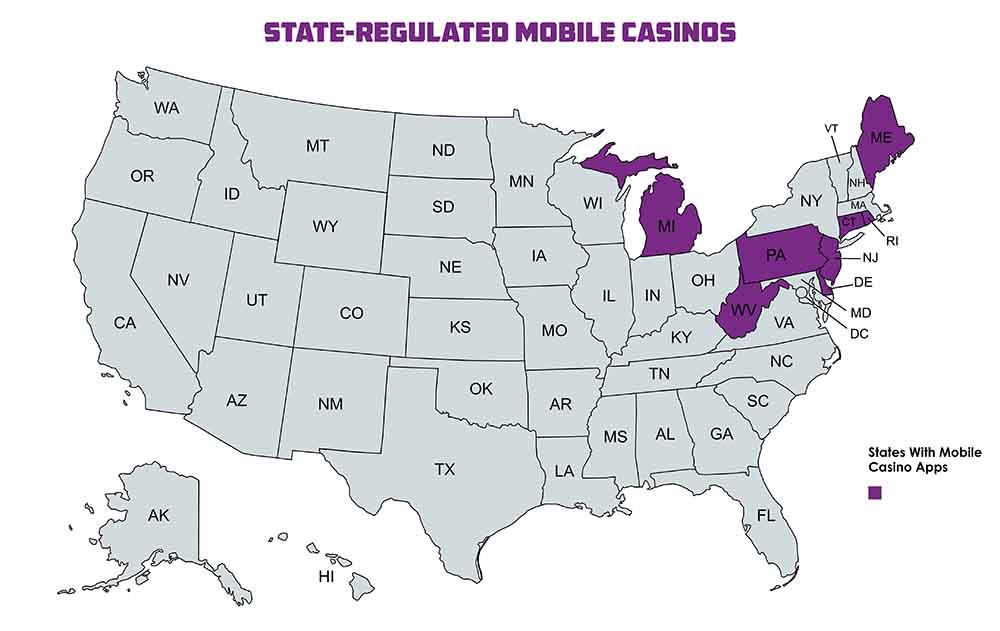
States With Domestic Online Casino Apps (iGaming)
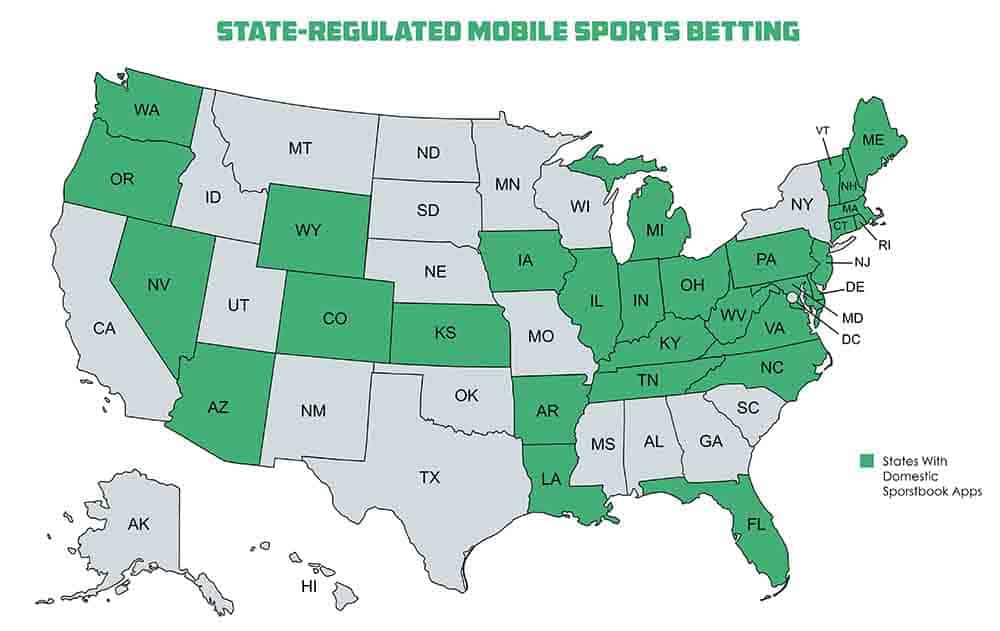
States With Domestic Sportsbook Apps
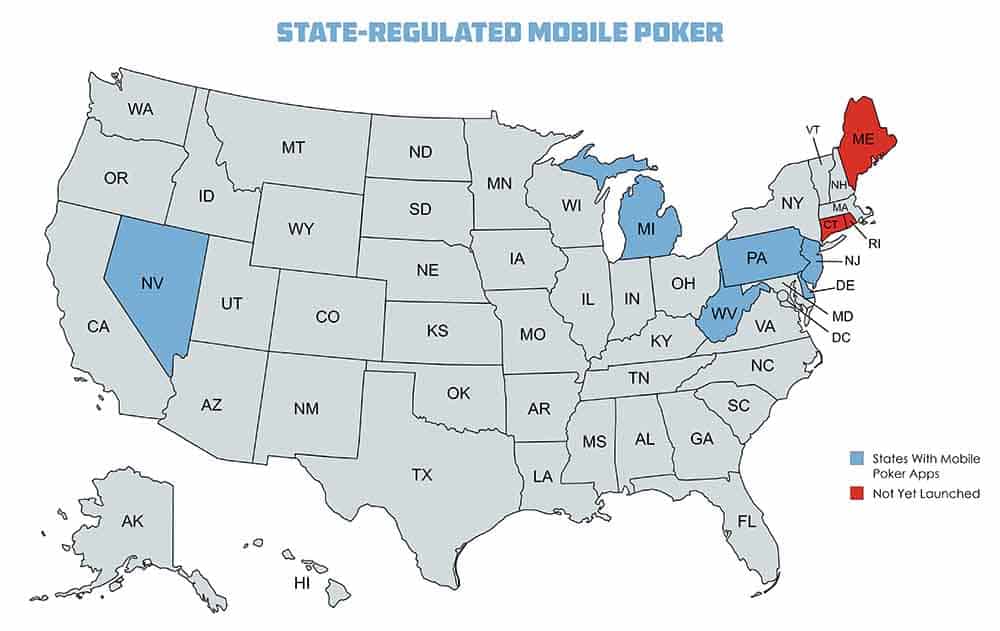
States With Domestic Poker Apps
States That May Legalize Gambling Apps Next
Several large states are actively debating expansion, especially online casino apps. Up to eight states are considering legalizing online casinos in 2026, with momentum led by New York, Virginia, and Illinois.
In New York, a new bill was introduced in January 2026 to legalize online slots and poker, tied to the state’s existing gambling ecosystem. Illinois is also seeing renewed discussion of iGaming in early 2026, with policymakers weighing regulation to address illegal online gambling and capture tax revenue.
On the sports betting side, states like Georgia, Minnesota, Texas, and California are major markets that regularly revisit legalization, even when bills stall. CA and TX are likely years away from mobile sports betting, but GA and MN could approve them as early as this year.
Why Is Mobile Sports Betting More Prominent Than Poker And Casino Apps?
Sportsbook apps are more common in the US for a mix of legal history, politics, business incentives, and consumer demand.
The big catalyst: sports betting had a clear national turning point
When the US Supreme Court struck down PASPA in 2018, it opened the door for states to quickly legalize sports betting. That created a strong “copy the neighbor” effect, and many states moved fast to capture tax revenue and shift bettors away from illegal markets.
It is easier to sell politically
Lawmakers often frame sports betting as a regulated alternative to the widespread, unregulated sports wagering, with clear consumer protection rules. That argument has been a smoother political lift than online casino expansion, which can face stronger opposition from some land-based casino stakeholders and anti-gambling groups.
Bigger marketing engine and mainstream visibility
Sports betting is tied directly to live sports media, which drives constant engagement (weekly games, daily markets, props, live betting). This creates a huge marketing and partnership ecosystem that casino and poker apps do not match.
iGaming and poker bring more regulatory and policy friction
Online casino and poker raise additional debates: problem gambling concerns, cannibalization of existing casinos, and more complex discussions about game types and oversight. Poker also needs liquidity to thrive, and interstate pooling has been a long-standing legal and operational challenge, shaped in part by uncertainty around Wire Act interpretation.
Bottom line: the rollout gap is real
Many trackers show sports betting legal in far more jurisdictions than iGaming. One example summary: sports betting is legal in most states, while legal online casino markets remain limited to a small group of states.